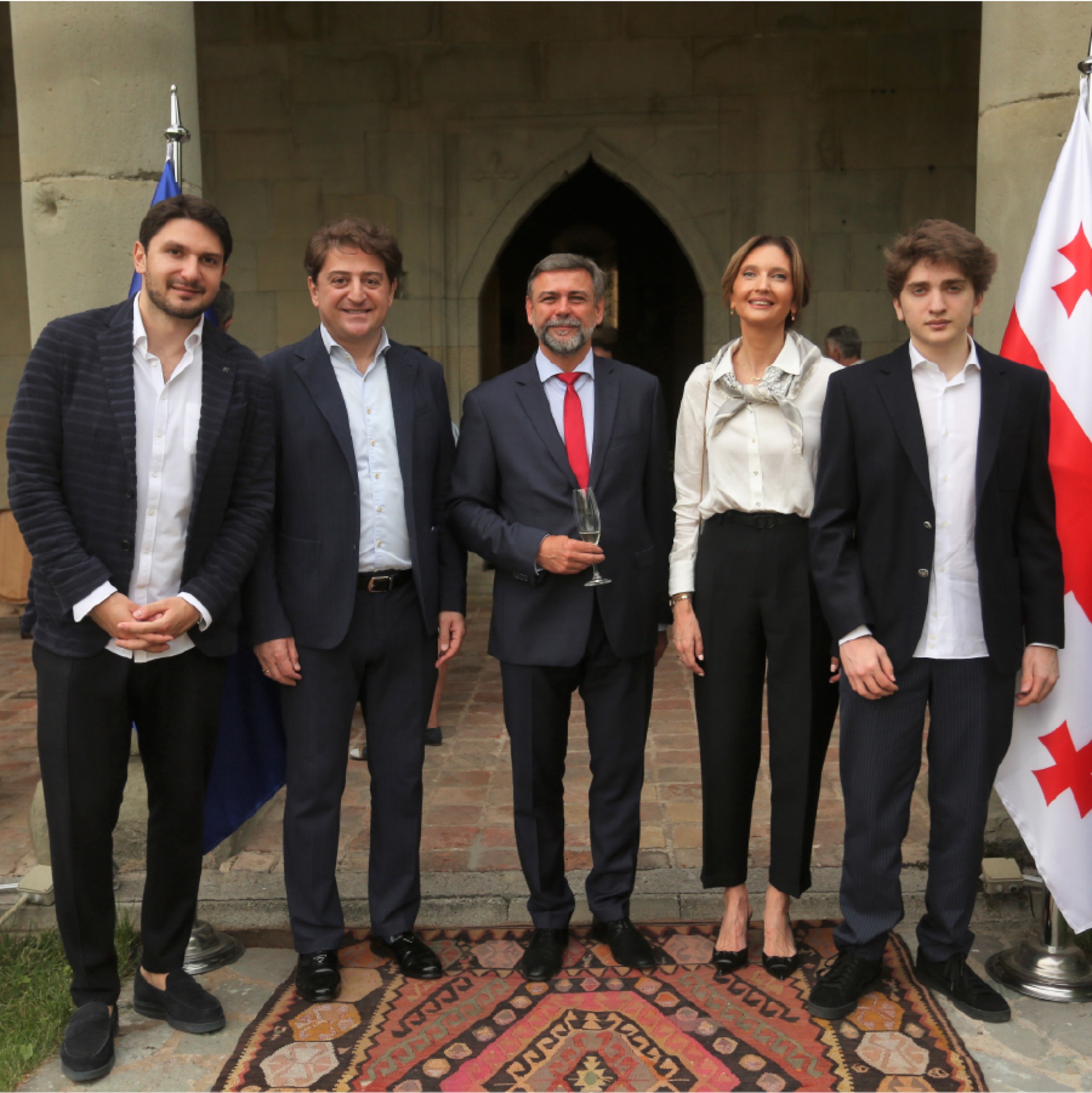
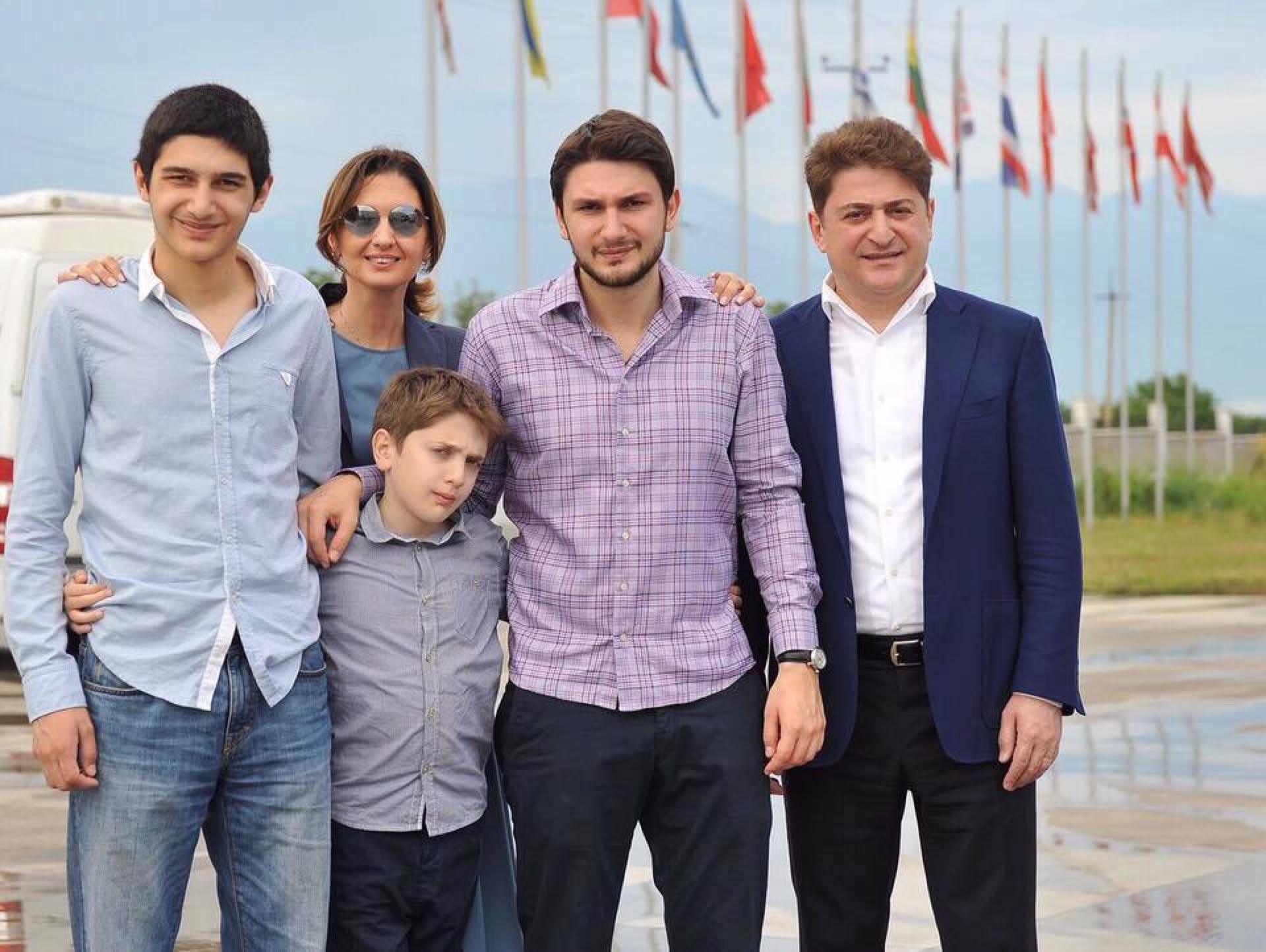
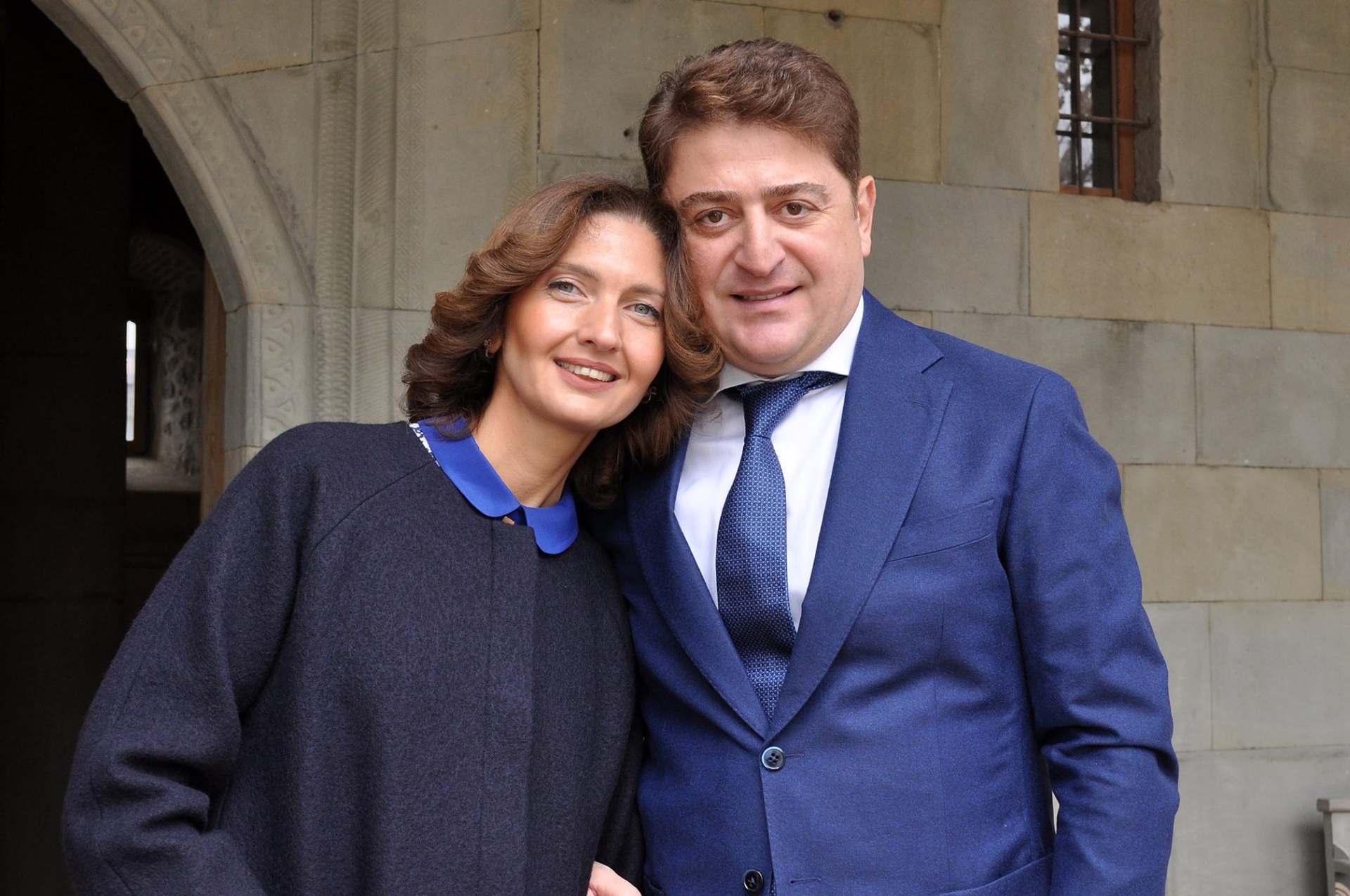
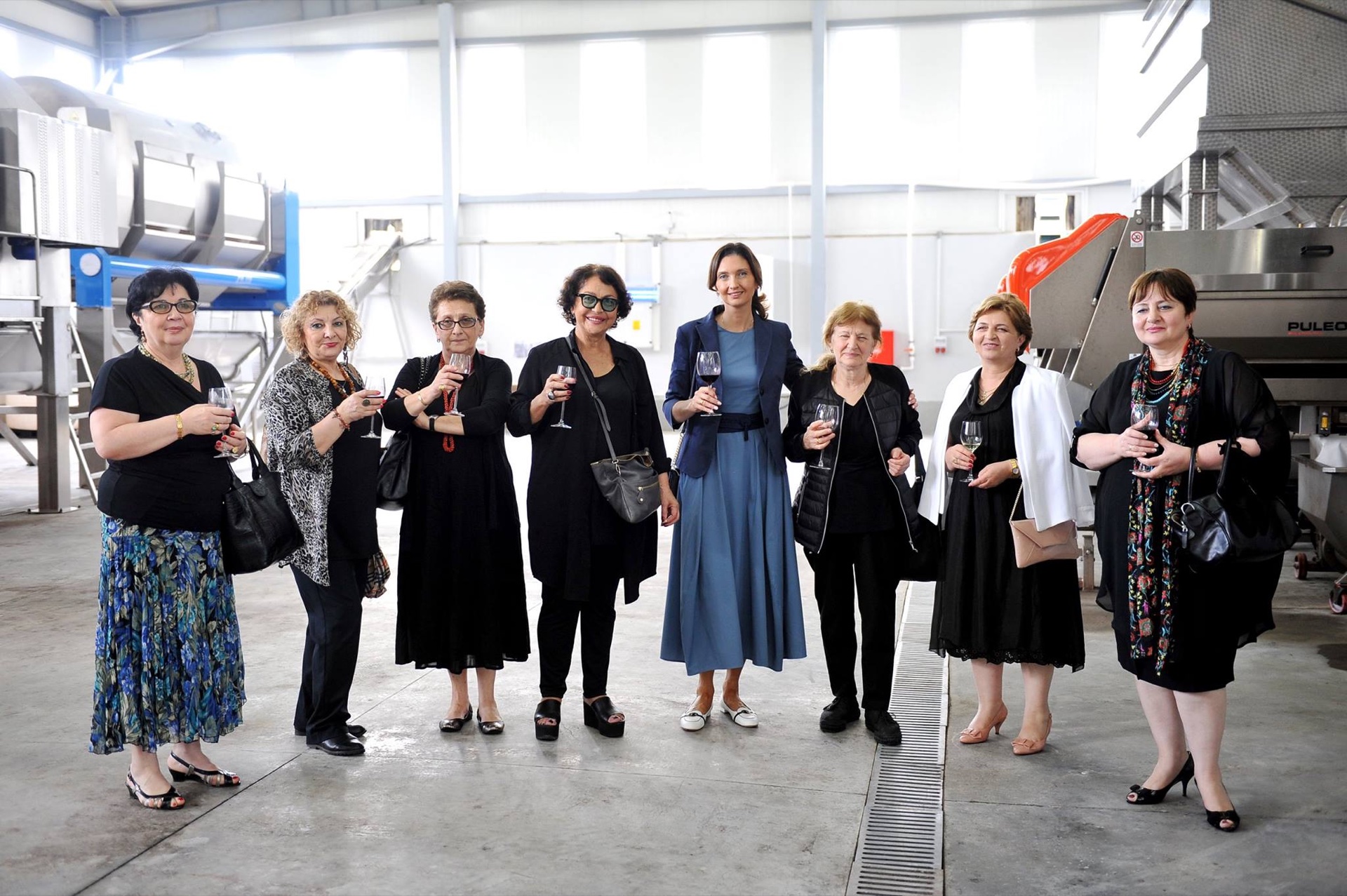
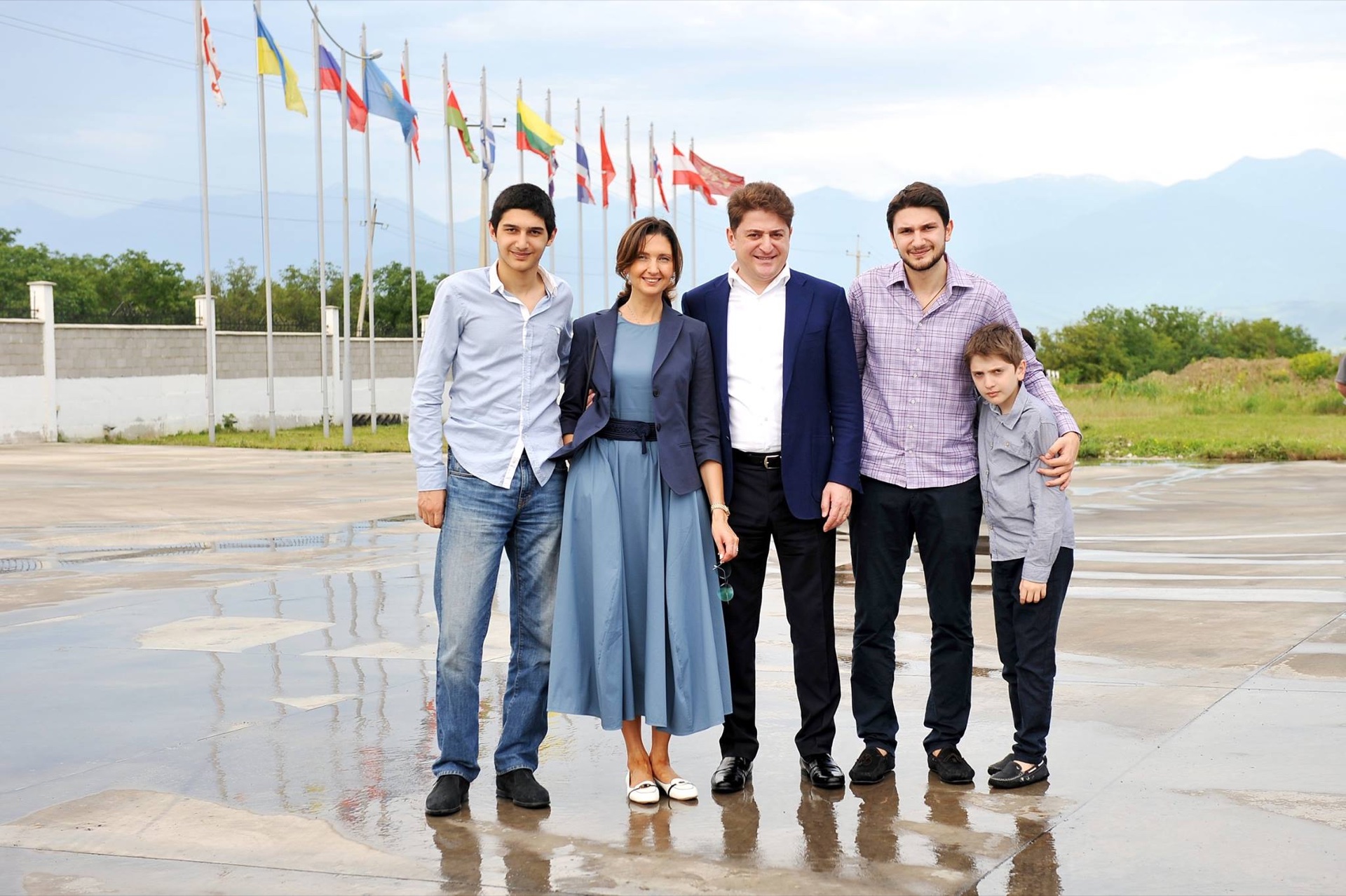
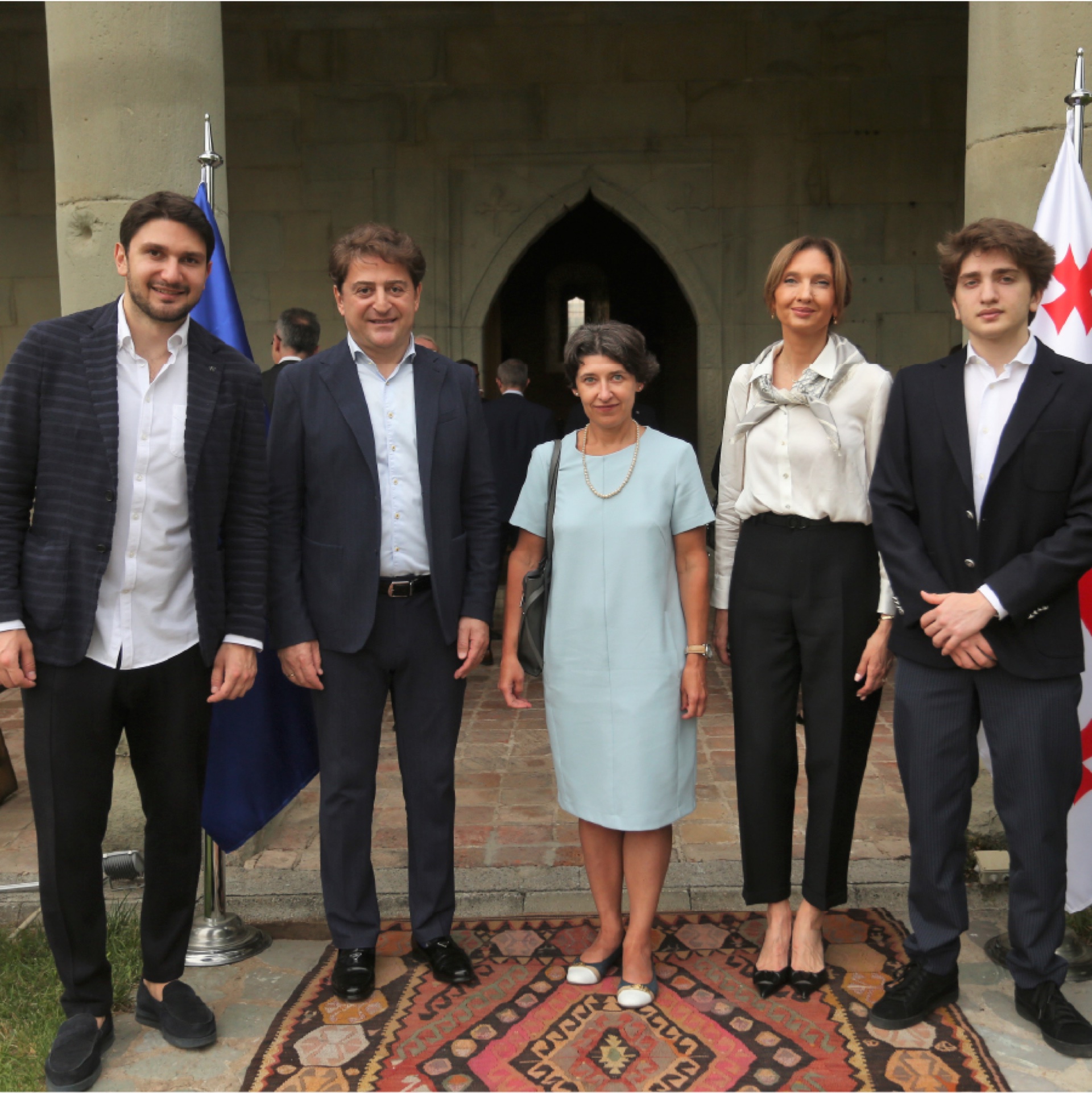
Winemaker. Singer. Guardian of Tradition.

Zurab Chkhaidze

Preserving 8,000 Years of Kartvelian Heritage
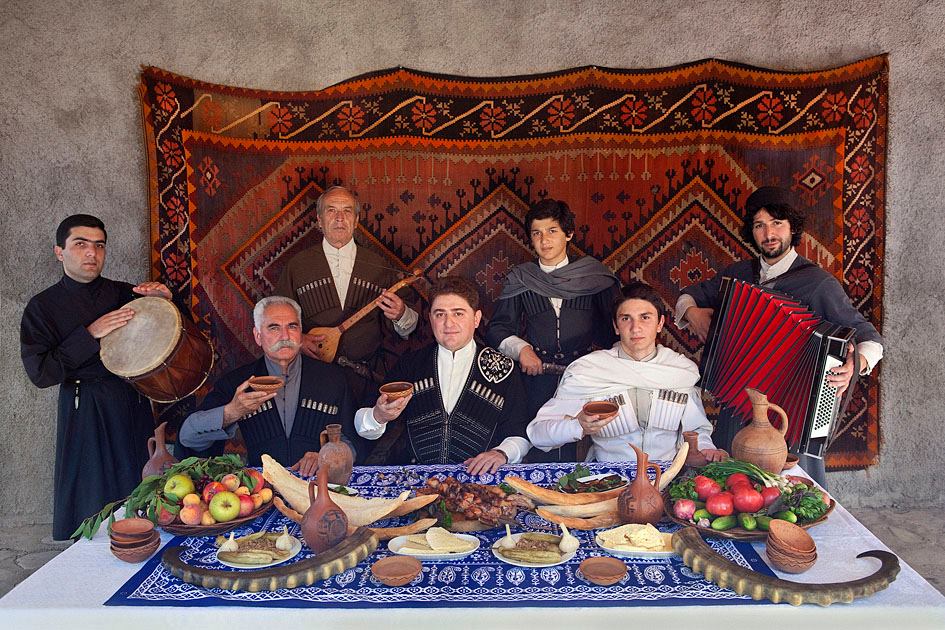
Kartvelian Supra — Traditional Feast with Polyphonic Singers

Zurab Chkhaidze

Winemaker & Cultural Preservationist

Sakartvelo is home to the oldest winemaking tradition on earth — 8,000 years of unbroken craft passed down through families, villages, and song. It is a country where culture lives not in museums but in the hands that shape a qvevri, the voices that carry a polyphonic hymn, and the table where a tamada leads a feast.

Zurab Chkhaidze has dedicated his life to preserving this living heritage. A winemaker carrying forward the craft of his great-great-grandfather. A singer with Georgian Voices, one of Sakartvelo's celebrated folk ensembles. A guardian of traditions that belong not only to Sakartvelo but to all of humanity.

Wine Song Feast Heritage
Kartvelian Landscape
The Cradle of Wine

Where Winemaking Began

In 2017, at the archaeological sites of Gadachrili Gora and Shulaveris Gora — about fifty kilometers south of Tbilisi — researchers unearthed pottery containing chemical traces of wine dating back 8,000 years. It was the oldest evidence of winemaking anywhere in the world. But for Kartvelians, this was not a discovery. It was confirmation of what every family already knew: that wine flows through the story of this land as surely as the rivers that feed its valleys.

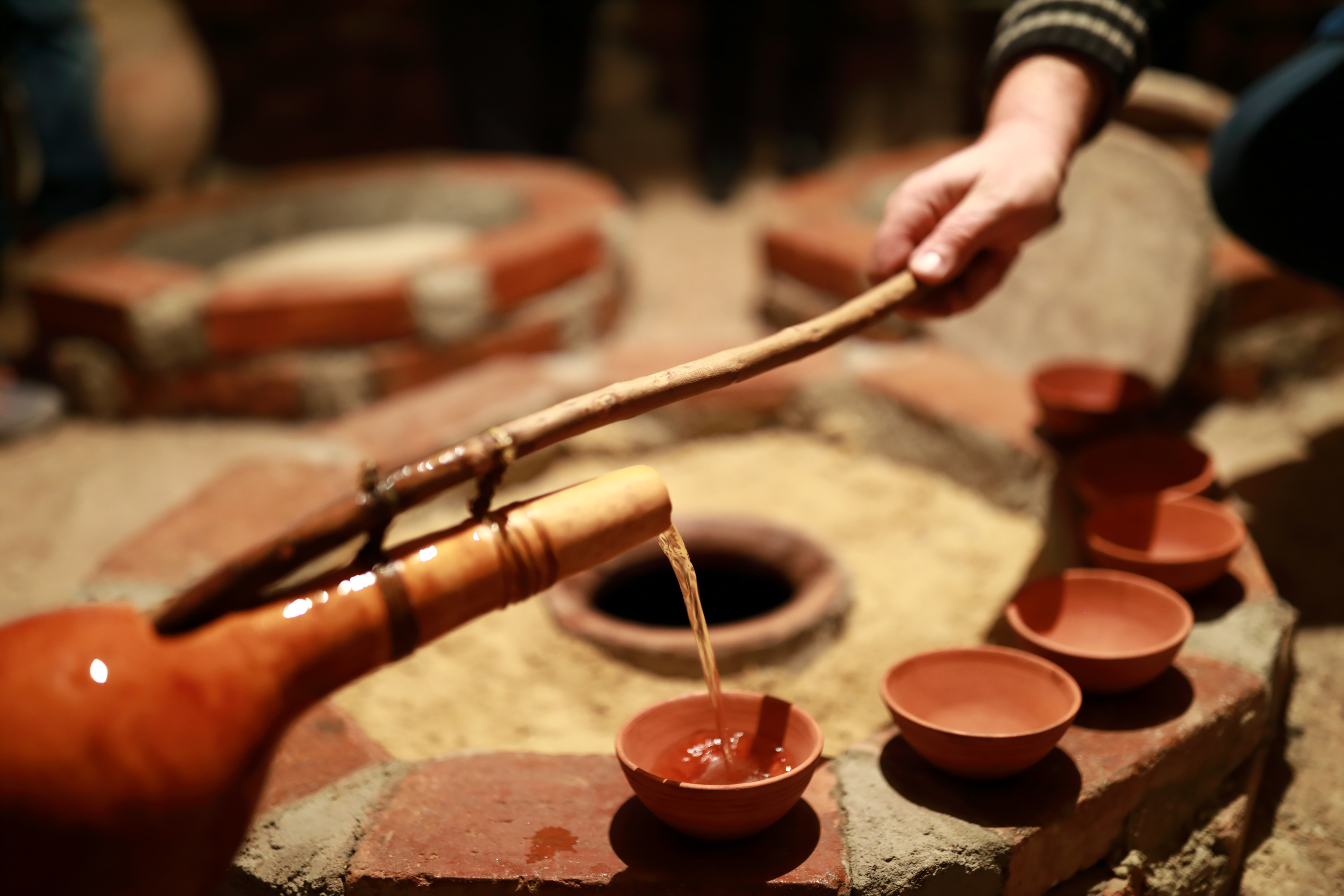
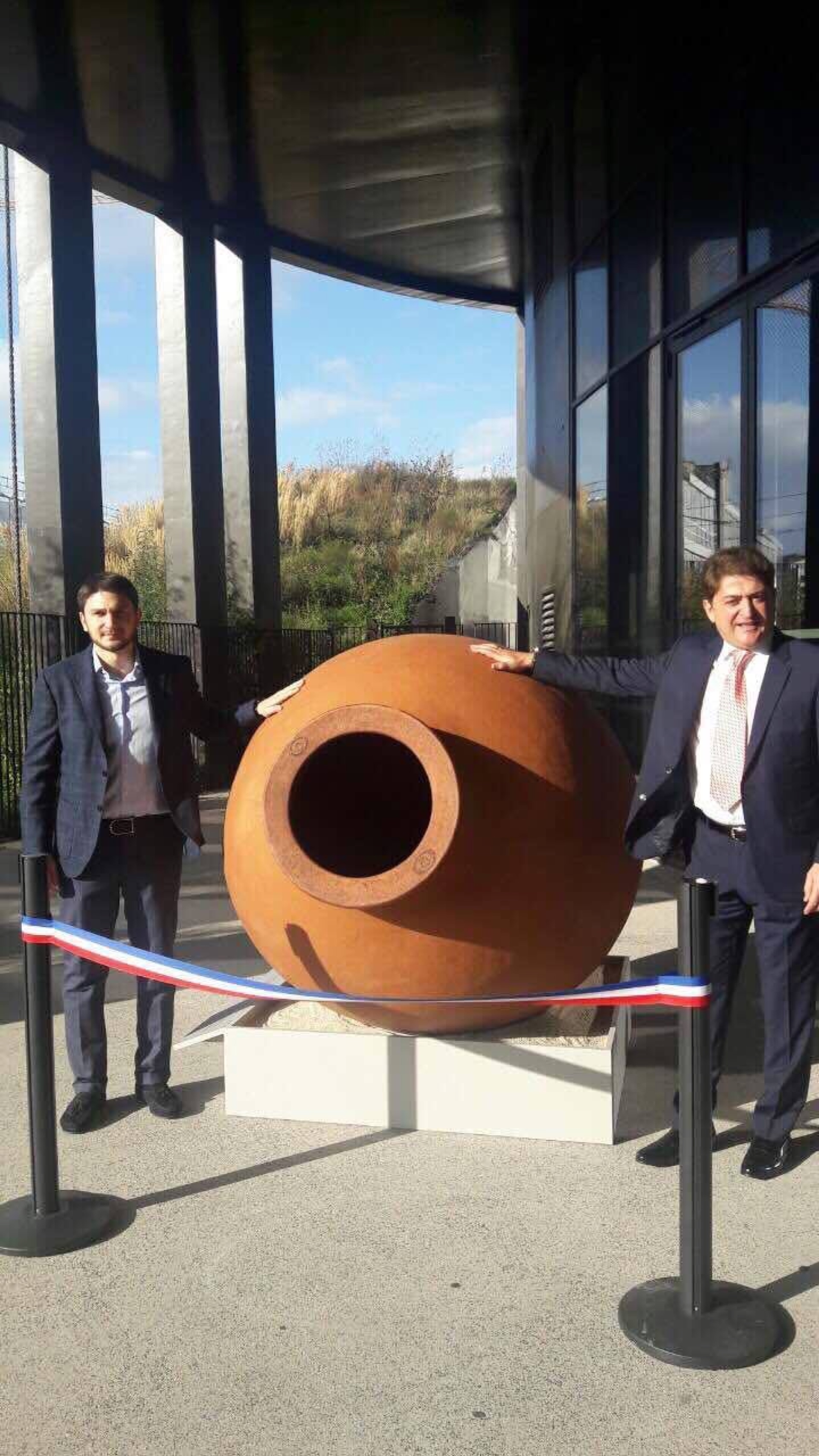
The qvevri — an egg-shaped earthenware vessel buried in the earth — is Sakartvelo's gift to viticulture. Grapes are pressed and poured in with their skins, stalks, and seeds. The vessel is sealed. The earth keeps it cool. Over five or six months, wine is born. In 2013, UNESCO inscribed the ancient Kartvelian qvevri winemaking method on its list of Intangible Cultural Heritage of Humanity.

8,000 Years of Kartvelian Wine
3 UNESCO Intangible Heritage Inscriptions
15+ Regional Musical Dialects
525+ Endemic Grape Varieties
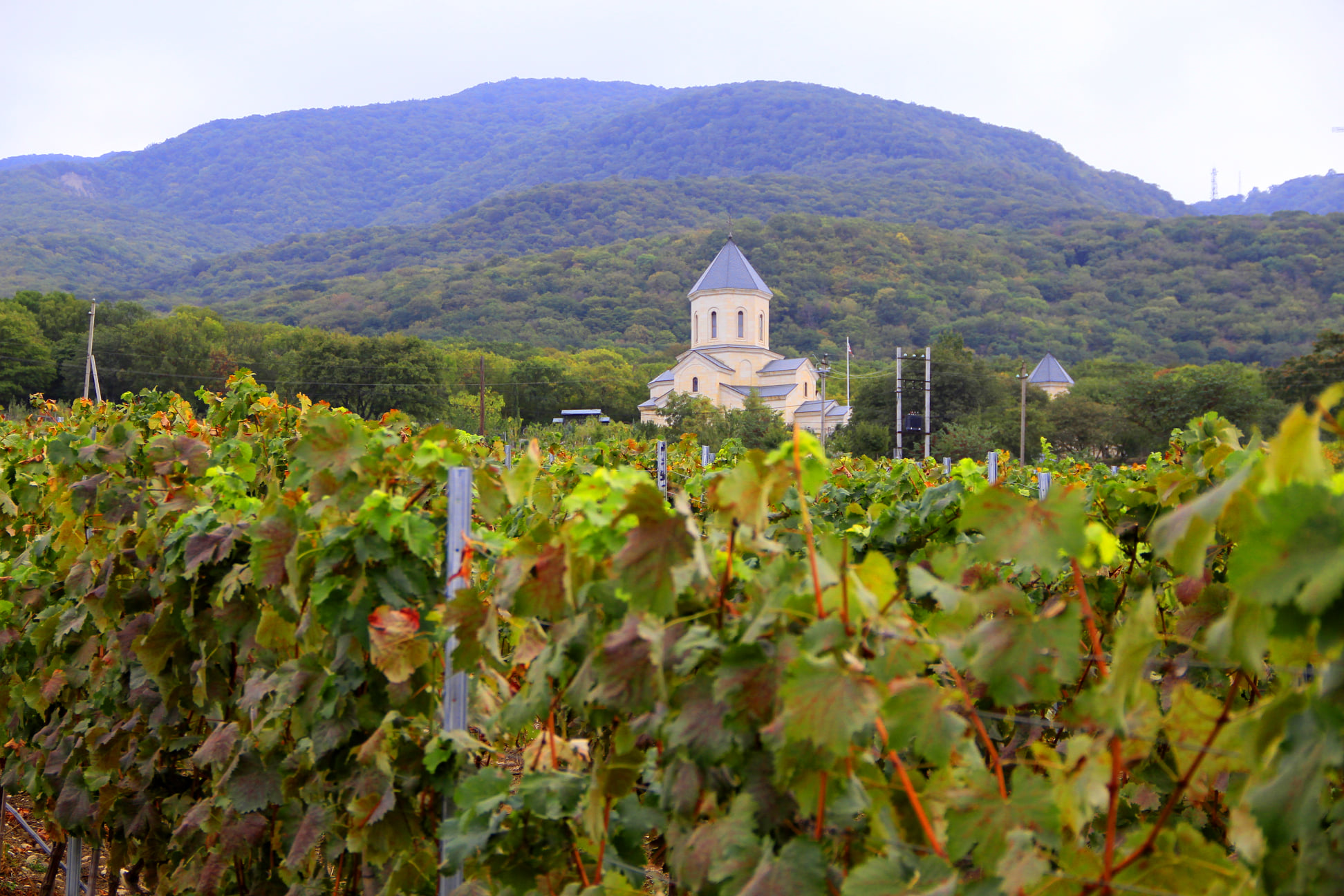
Kartvelian Autumn Landscape
The Ancestor

Antimoz Chkhaidze & the Cellar in Askana

The Chkhaidze family had been making wine for generations before any of them made it their livelihood. But in the 1880s, in the village of Askana in the Guria region of western Sakartvelo, Antimoz Chkhaidze became the first in the family to turn the craft into a calling. He dug a cellar, buried his qvevri in the earth, and began producing wine that would travel far beyond the borders of Guria.

Antimoz earned renown for his mastery of rare, endemic grape varieties — Chkhaveri, Tsolikouri, and Jani — wines with a character that could only come from this land. His bottles were shipped from the port of Poti to destinations across Europe and beyond. The oldest qvevri in his cellar, stamped with the year 1880, is still preserved in Askana today.

Even during the Soviet era, when private property was forbidden and commercial winemaking was suppressed, the family kept small lots of vines — quietly, stubbornly — making wine the way Antimoz had taught them. The craft survived not because it was permitted, but because it could not be abandoned.

176,000 → 30,000

In the 1880s, phylloxera reached Sakartvelo through the Black Sea and devastated the country's vineyards. Acreage collapsed from 176,000 to just 30,000 — a loss of 83%. Countless grape varieties vanished. It is against this backdrop that Antimoz's preservation of Chkhaveri, Tsolikouri, and Jani takes on its full weight.

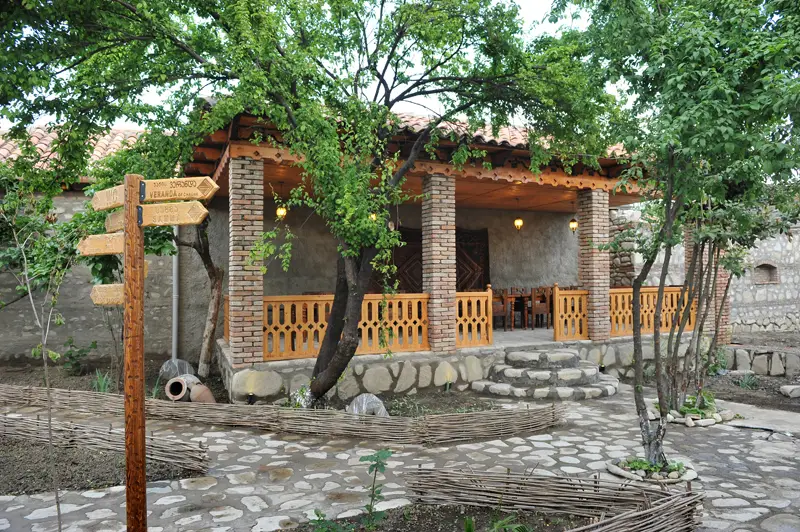
Velistsikhe Veranda
Grandmother's Home

Velistsikhe Veranda

In the heart of Kakheti, in the village of Velistsikhe, stands the home of Zurab's grandmother — a place steeped in over 1,500 years of winemaking history. Beneath the house, twenty qvevri lie buried underground, with a total capacity of forty tons. Here, wine can still be tasted directly from the vessels, exactly as it has been for centuries.

There is a reason the qvevri are buried in this earth. Kakheti's soil — humus-carbonate, black and alluvial, rich in iron — holds a constant, stable temperature year-round, shielded by the rain shadow of the Caucasus mountains. This is the natural refrigeration that makes qvevri winemaking possible: warm summers above, cool stillness below. It is the earth itself that gives Kartvelian amber wine its signature color, tannic depth, and complex character.

For Zurab, this is more than a family home. It is a living archive. Alongside the qvevri, he has preserved traditional Kartvelian clothing and historical wine vessels — artifacts that tell the story of how Kartvelians lived, dressed, celebrated, and made wine across the generations. Many of these items have been donated to museums, while others remain at Velistsikhe, kept in the place where they belong.

The Velistsikhe Veranda is not a museum with glass cases and labels. It is a home where the old ways are still practiced — where visitors drink wine from the qvevri, learn to make khinkali, and sit at tables set in the tradition of the supra. Preservation, for Zurab, means keeping things alive.

“Every family in Sakartvelo has their own history. Every village has its own marani, its own songs, its own way of setting the table. I have my grandmother's home in Velistsikhe. But what makes us extraordinary as a people is that everyone has theirs. Every cellar, every qvevri, every voice raised in song — it all matters. We must celebrate it all.”
— Zurab Chkhaidze
A Sacred Trust

Guramishvili's Marani

In Saguramo, just north of Tbilisi, stands one of the most significant wine cellars in Kartvelian history. Guramishvili's Marani was built in the first half of the 19th century by Tadeoz Guramishvili. In 1863, it passed to Ilia Chavchavadze — the poet, writer, and public figure known as the Father of the Kartvelian Nation — when he married Tadeoz's daughter, Olga Guramishvili-Chavchavadze.

Chavchavadze is Sakartvelo's most universally revered hero. He coined the phrase that became the slogan of Kartvelian identity — “Language, Homeland, Faith” — and devoted his life to the revival of Kartvelian culture under Tsarist rule. He was canonized as a saint by the Orthodox Church. His assassination in 1907 was mourned as a national tragedy.

After his death, the vineyards that had flourished under Chavchavadze's care fell into disrepair. The land became a pasture and a dumping ground. The marani — one of the most remarkable examples of Kartvelian secular architecture, designated a cultural heritage monument — stood abandoned.

In 2015, Zurab Chkhaidze was entrusted with its restoration. He returned the marani to its original form and revived the endemic grape varieties of Kartli in Ilia's historic vineyards — Shavkapito, Buza, Danakharuli, Khikhvi, Chinebuli — varieties that had nearly vanished. Today, Guramishvili's Marani produces limited quantities of wine from these recovered vines. It is not a commercial operation. It is an act of national memory.

Marani

A traditional Kartvelian wine cellar — the place where qvevri are buried and wine is made. More than a building, the marani is the spiritual and cultural center of a family's winemaking life, often passed down through generations.

Chateau Askana, Guria
A Legacy of His Own

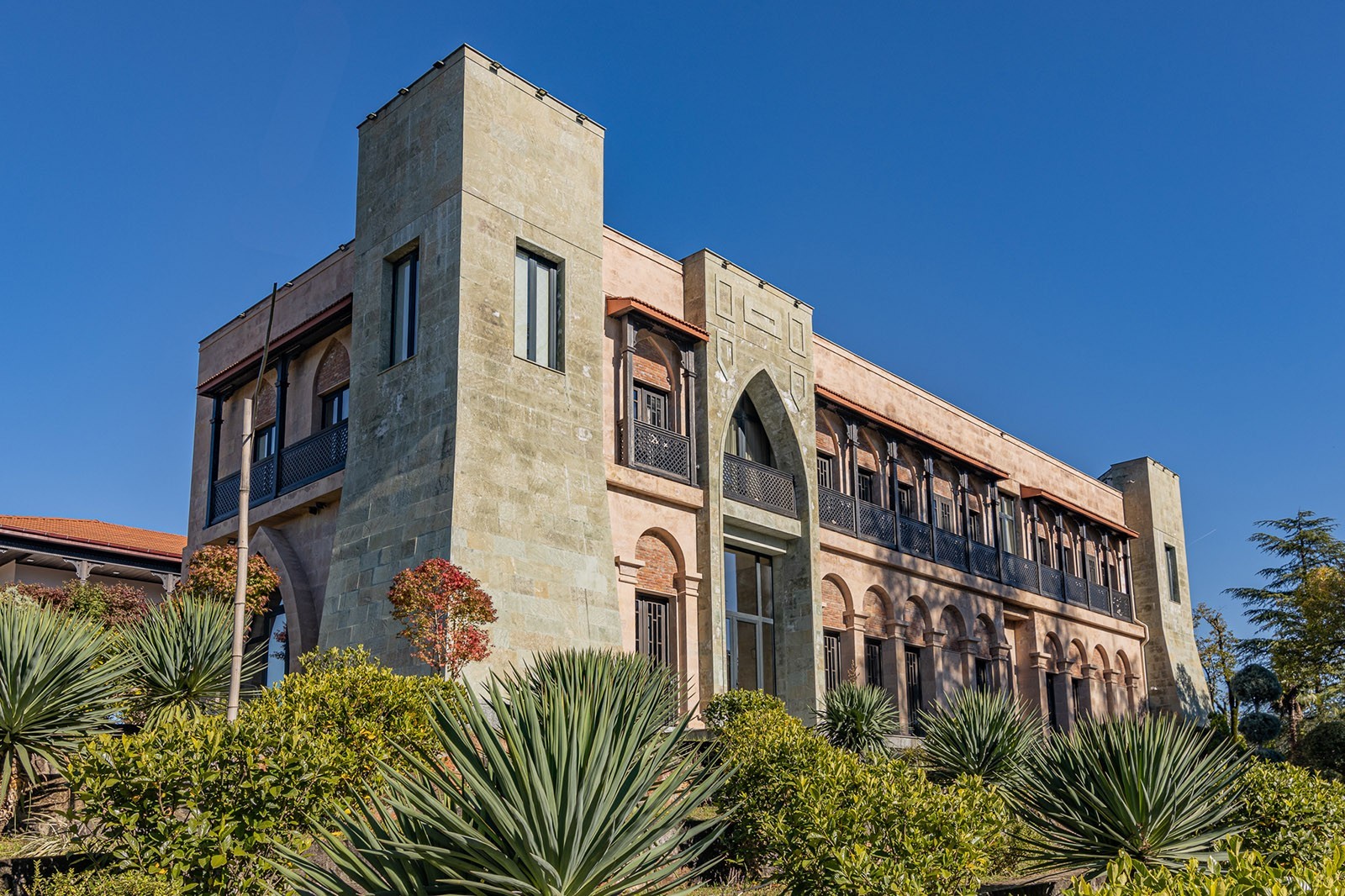
Chateau Askana

Zurab Chkhaidze does not only preserve the past. In 2021, he built Chateau Askana — a new winery and cellar in the ancestral village of Askana, Guria, where Antimoz first buried his qvevri over a century ago. The circle is complete: a return to the place where the family's story began.

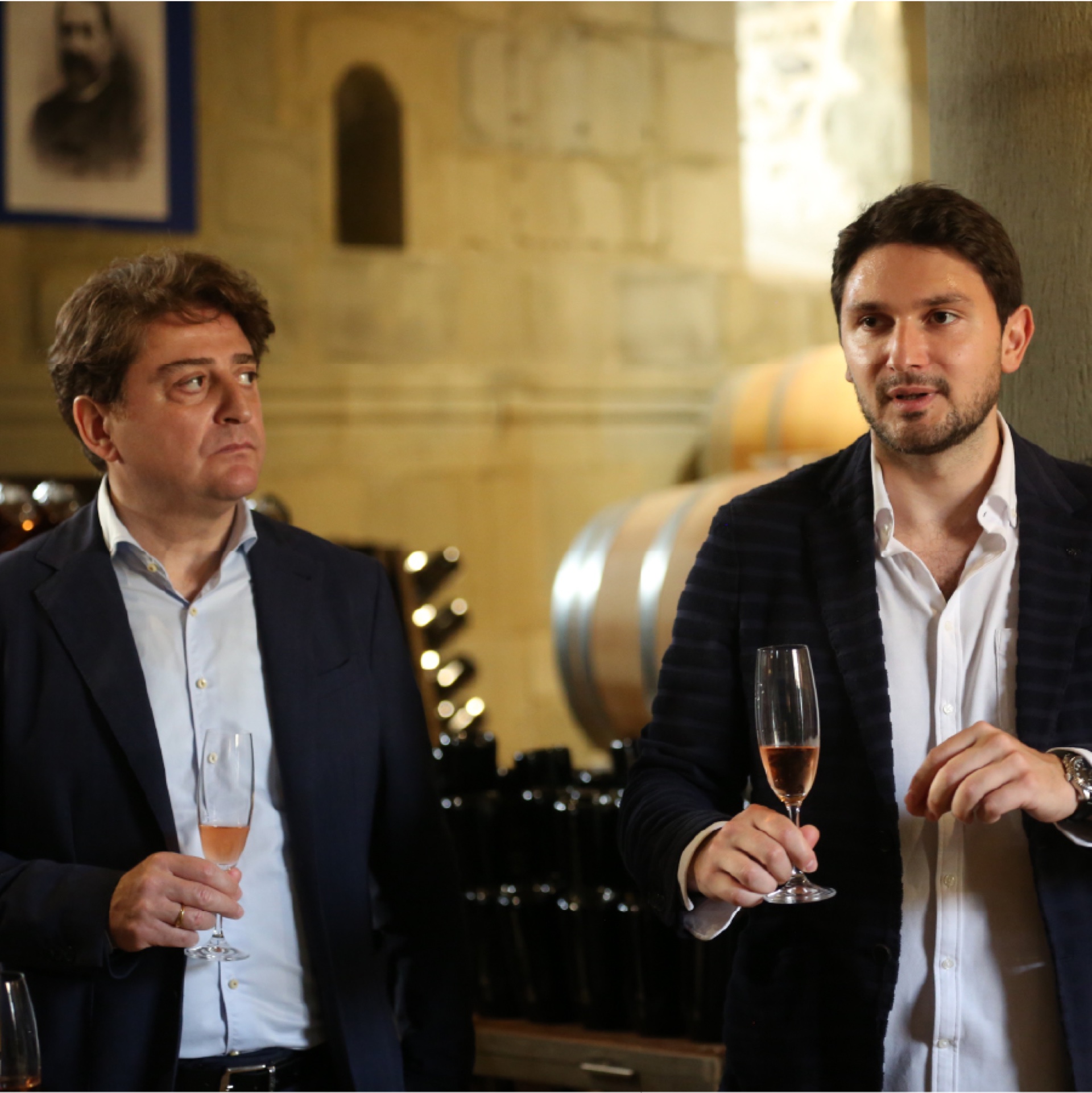
At Chateau Askana, wine is made from the exceptional grape varieties of Guria — Sakmiela, Tsolikouri, and Chkhaveri — alongside varieties from Imereti, Racha-Lechkhumi, and Adjara. Still wine, sparkling wine, and aged wine in oak barrels by the classical method. Ancient craft, applied with the full knowledge of a man who has spent his life inside the tradition.

Even the name Zurab chose for his company tells you who he is. He did not name it after himself, or after his family, or after anything personal. He called it Kakhetian Traditional Winemaking — because the tradition is bigger than any one person. The name is itself a testament to his belief that what matters most is not the man, but the heritage he carries forward.

Georgian Voices Ensemble
Polyphonic Song

The Oldest Harmony in the Christian World

Sakartvelo's polyphonic singing tradition is among the oldest in the world — a practice that predates Christianity in the region, with some songs reaching back to the 8th century. In 2001, UNESCO proclaimed Kartvelian polyphonic singing a Masterpiece of the Intangible Heritage of Humanity, inscribing it on the Representative List in 2008.

This is not choral music in the Western sense. There are at least fifteen distinct regional styles — what Kartvelian musicologists call “musical dialects.” In Svaneti, complex polyphony weaves voices into dense, ancient textures. In Kakheti, two voices rise in dialogue over a deep bass drone. In western Sakartvelo — Zurab's homeland of Guria — three voices meet in contrasted, partially improvised song.

Zurab Chkhaidze is an active member of Georgian Voices, one of the country's celebrated folk ensembles dedicated to preserving and performing these traditions. For Zurab, song and wine are not separate worlds. They are two expressions of the same inheritance — knowledge that lives in the body, passed from one generation to the next not through books or museums, but through practice.

Polyphony

Music in which multiple independent vocal lines sound simultaneously. Kartvelian polyphonic singing uses three voices — each carrying its own melody — and predates Western choral traditions by centuries. UNESCO proclaimed it a Masterpiece of Intangible Heritage in 2001.

Kartvelian Supra
The Supra

Where Wine, Song, and Feast Become One

The supra is the Kartvelian feast — and it is where all of these traditions converge. Wine is poured, songs are sung, and the tamada — the toastmaster — guides the table through a sequence of toasts that are part philosophy, part poetry, part history lesson. The supra was inscribed on Sakartvelo's national list of Intangible Cultural Heritage in 2017.

The tamada is not simply a host. He is chosen for his wisdom, eloquence, and deep knowledge of tradition. Each toast draws on legend, folklore, and lived experience — turning the table into a vessel for cultural transmission. In Sakartvelo, it is often said that life without feasting is meaningless. The supra is where heritage is not archived but lived.

For Zurab Chkhaidze, the supra is the natural expression of everything he works to preserve. The wine in the glass comes from qvevri buried in Kartvelian earth, made from endemic grapes cultivated across the centuries. The songs that fill the room carry melodies older than the cathedrals. The food on the table is prepared with knowledge passed through generations. Nothing here is a performance. Everything is practice.

The Traditional Toasts of the Supra

The tamada leads the table through a sacred sequence of toasts — each one a pillar of Kartvelian life. This is the traditional order, passed down through generations. Raise your glass.

1 / 11

Wine

Qvevri winemaking — 8,000 years of tradition. UNESCO Intangible Cultural Heritage of Humanity since 2013.  From Antimoz's cellar in Askana to Guramishvili's Marani in Saguramo, Zurab preserves the craft and recovers endemic grape varieties that were nearly lost.

Watch

Song

Kartvelian polyphonic singing — the oldest harmony in the Christian world. UNESCO Intangible Cultural Heritage of Humanity — proclaimed 2001, inscribed 2008.  As a member of Georgian Voices, Zurab carries forward the musical dialects of Guria, Kakheti, and Svaneti through live performance.

Watch

Feast

The supra — Sakartvelo's sacred communal table. National Intangible Cultural Heritage since 2017. Wine, food, song, and the wisdom of the tamada converge in a living ritual that has defined Kartvelian identity for millennia.

Let's Continue the Tradition Together

We hope you are inspired to preserve your own traditions as Zurab has preserved his. Sakartvelo's heritage belongs to all of humanity.